





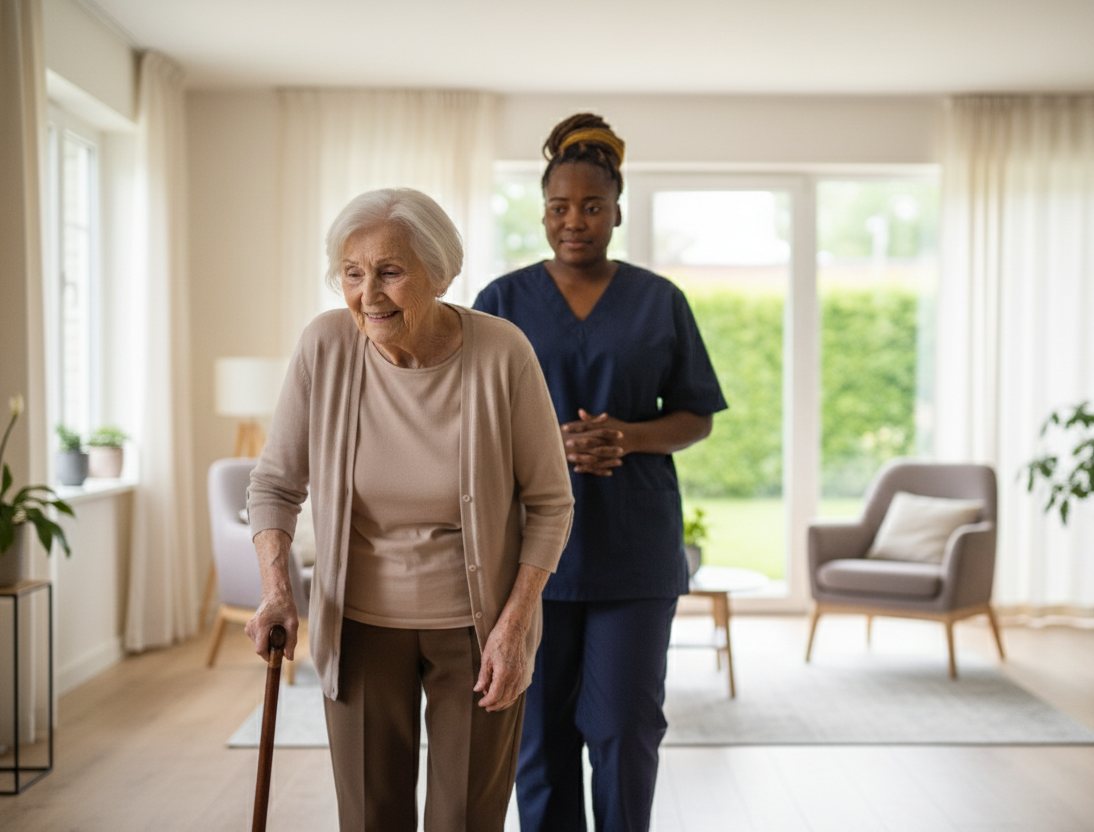
Aging does not have to mean losing control over daily life. Around the world, research shows that seniors thrive when they can remain in their own homes – connected to their communities, familiar environments, and personal routines. Home care plays a critical role in making this possible. It combines clinical best practices with human-centered support, helping older adults maintain independence while receiving the care they need. Home care is not simply about assistance – it is about preserving agency, promoting safety, and supporting health in a way that aligns with each individual’s values and capabilities. Across medical, emotional, and social domains, it represents one of the most effective strategies for aging well.
Aging in Place: Clinical Foundations of Independence
Geriatric medicine underscores that maintaining functional ability is as important as treating illness. Aging in place – remaining at home while receiving care – helps seniors sustain physical and cognitive function longer than institutional care models typically allow. The familiar environment reduces disorientation, minimizes hospital readmissions, and promotes steady routines essential to health and well – being. Evidence-based home care models incorporate chronic disease management, medication oversight, and regular monitoring to reduce complications. This clinical foundation not only improves outcomes but allows seniors to retain control over their daily lives.
Mobility and Rehabilitation: Preventing Decline Before It Starts
One of the strongest predictors of independence is mobility. Rehabilitation and physical therapy interventions delivered in the home prevent falls, maintain muscle strength, and extend the period during which older adults can move safely without institutional support. Early interventions – such as balance training, mobility assistance, and adaptive equipment – lower the risk of injury and reduce dependence on emergency care. By integrating these supports directly into daily routines, home care allows seniors to continue living on their own terms while safeguarding their health.
Cognitive and Emotional Stability as Anchors of Independence
Independence is not just physical. Emotional well-being and cognitive health strongly influence a senior’s ability to live autonomously. Structured routines, familiar spaces, and regular engagement with trusted caregivers help stabilize mood and cognition. For individuals living with dementia or mild cognitive decline, consistent home care can reduce behavioral disturbances, enhance memory retention through routine reinforcement, and slow the need for institutional placement. Emotional stability also reduces anxiety, improves cooperation with care plans, and promotes confidence in everyday activities.
Nutrition, Daily Living, and the Invisible Power of Routine
Independence is sustained through small, consistent daily actions. Nutrition and personal care routines are key determinants of physical and mental health in older adults. Reliable meal preparation, hydration support, and adaptive assistance with bathing, dressing, or grooming preserve dignity and reduce avoidable health issues like malnutrition or infection.
These elements, though often invisible in policy discussions, are central to independence. When seniors receive tailored support that respects their preferences and rhythms, they are more likely to remain active, engaged, and self-reliant.
Assistive Technology and Smart Homes: Quiet Enablers of Autonomy
Technology now plays a transformative role in aging at home. From mobility aids and adaptive devices to remote health monitoring and smart home systems, innovations enhance safety while reinforcing self-sufficiency. Smart environments can detect falls, track vital signs, and support medication adherence without disrupting the person’s sense of control. When paired with human caregiving, technology becomes an empowering rather than intrusive force—helping seniors live independently with greater security.
The Caregiver Workforce: A Foundation for Sustainable Independence
The human element remains the backbone of effective home care. Skilled caregivers trained in adaptive techniques, communication strategies, and ethical care practices bridge the gap between medical systems and daily living. Workforce development, including consistent training and adequate support for caregivers, ensures reliable, high-quality care. Strong caregiver relationships foster trust and stability—both essential ingredients for long-term independence.
Public Health and Policy: Building Systems That Support Aging in Place
True independence for seniors requires more than individual effort; it requires supportive systems. Policy frameworks that prioritize home care—through funding, infrastructure, and regulation—enable more seniors to remain at home longer. Evidence from multiple health systems shows that well-designed home care programs lower hospital utilization, reduce long-term care costs, and improve quality of life. Aging in place is not only a personal preference for many older adults – it is a cost-effective and health-promoting strategy for societies facing rapidly aging populations.
Practical Takeaways for Families and Care Leaders
- Prioritize Mobility: Early mobility interventions extend independence and prevent decline.
- Stabilize Routines: Consistency in daily care preserves physical and cognitive function.
- Leverage Technology: Smart solutions enhance autonomy without replacing human connection.
- Invest in Caregivers: Skilled, stable care teams build trust and security.
- Integrate Emotional Support: Emotional well-being is as critical as physical health in maintaining independence.
- Advocate for Systems Change: Policies that support home care strengthen entire communities.
Conclusion: Empowerment Through Care
Home care is not just a service—it is a framework for empowerment. By aligning clinical support, emotional stability, adaptive environments, and skilled caregiving, it allows seniors to age with independence, dignity, and confidence.
As a leader in compassionate, evidence-informed care, Loving Angels Home Care is committed to making aging in place not only possible but fulfilling.
Schedule a Free Consultation to learn how we can help your loved one live independently at home, supported by care that honors their strength and autonomy.


